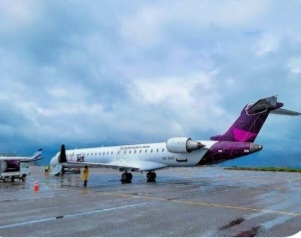
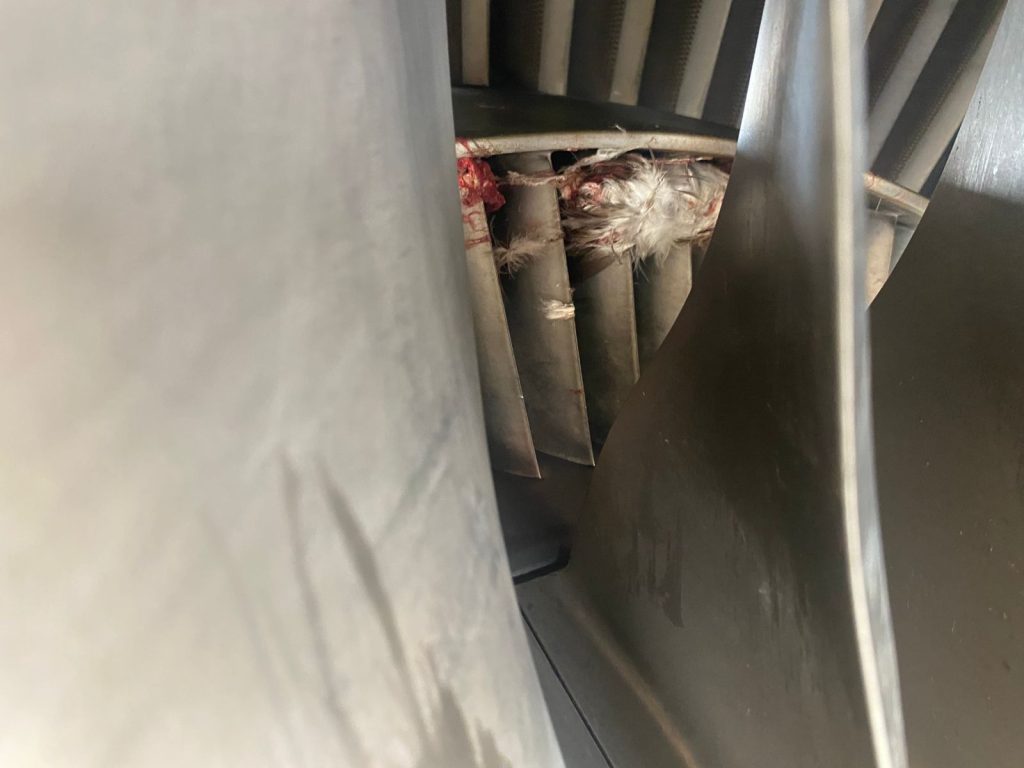
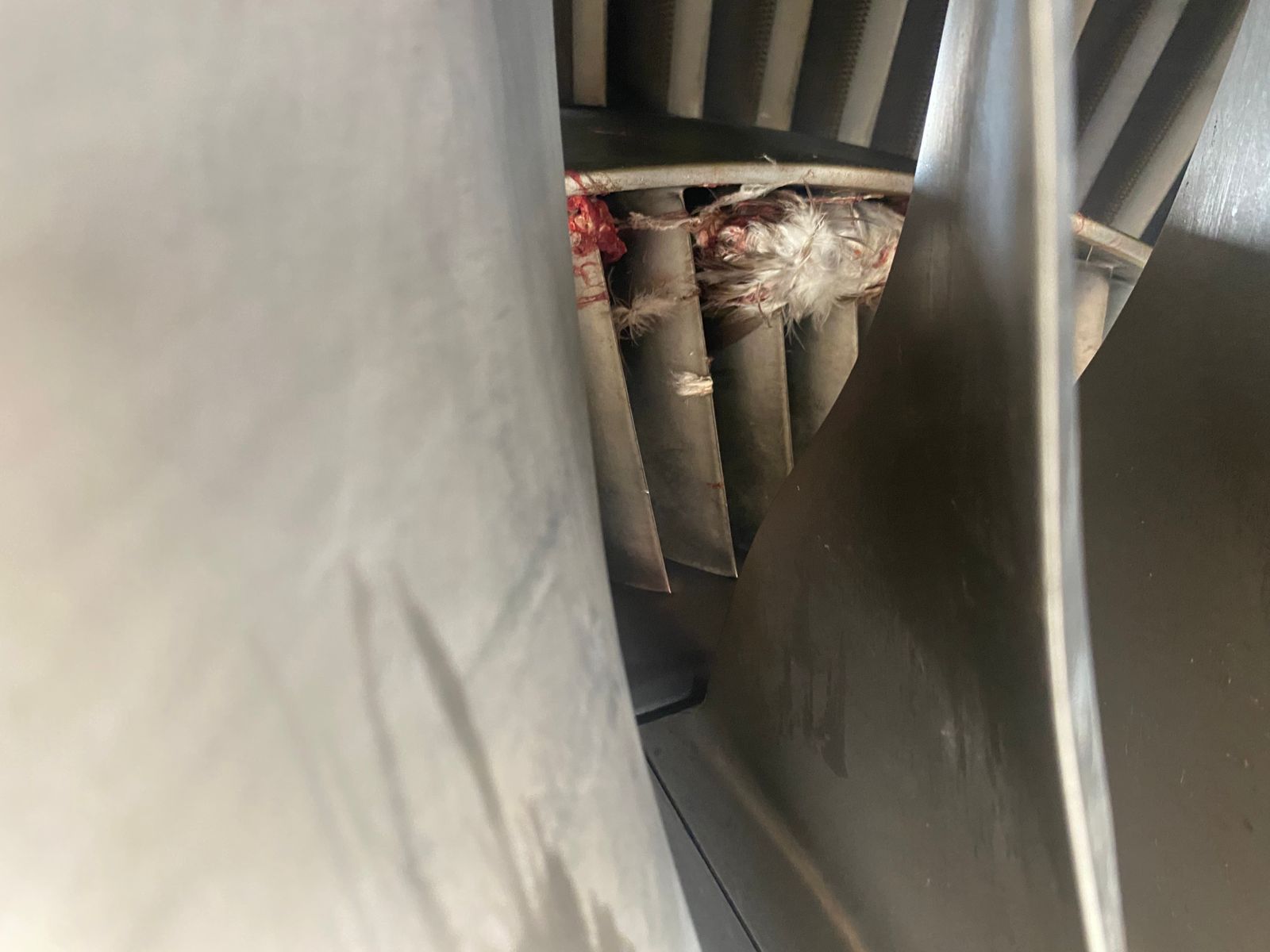
Fresh flight disruptions hit passengers travelling between Abuja and Lagos on Sunday after United Nigeria Airlines confirmed that another of its aircraft suffered a bird strike during take-off, the second such incident affecting the carrier within 24 hours and the fourth recorded since January 2026.
In a statement released on 15 February, the airline disclosed that the occurrence involved Flight UN0519, scheduled to depart at 12:00 hours from Nnamdi Azikiwe International Airport en route to Murtala Muhammed International Airport.
According to the airline, a bird struck one of the engines of the Airbus A320 aircraft during take-off procedures, prompting immediate safety action.
The affected aircraft has since been withdrawn from service for extensive technical assessment and engineering checks, in keeping with what the airline described as its “strict and uncompromising safety standards.” With this latest development, two Airbus aircraft belonging to the airline have been grounded in less than a day following similar incidents.
The airline warned that the temporary removal of aircraft from active service would likely disrupt some flights across its domestic network. Passengers scheduled to travel on certain routes may experience delays, rescheduling, or cancellations as fleet capacity is adjusted to accommodate safety requirements.
While the airline did not release specific figures regarding affected flights, it assured travellers that operational and customer-service teams are actively working to reduce inconvenience, offering assistance and alternative travel arrangements where possible.
“This is indeed another bird strike too many,” the airline stated, while expressing regret over the inconvenience caused and requesting patience and understanding from passengers and the general public.
Bird strikes are a recognised operational risk in aviation, particularly during take-off and landing phases when aircraft operate within altitudes commonly used by birds.
Global aviation practice requires that any aircraft involved in such an incident undergo detailed inspection before returning to service, regardless of whether immediate damage is evident.
Safety experts note that engine inspections after bird ingestion incidents can include borescope examinations, fan blade analysis, vibration testing, and structural checks. These procedures are designed to detect hidden damage that could affect engine performance or airworthiness if left unaddressed.
By grounding the aircraft pending inspection, the airline is following international aviation safety standards that place precaution above punctuality, a principle widely regarded as central to modern commercial aviation.
Wildlife hazards at airports remain a challenge worldwide, particularly in regions where environmental conditions or surrounding terrain attract birds. Airports typically implement wildlife-management programmes such as habitat control, acoustic deterrents, and patrol monitoring to reduce risks.
Aviation analysts say that seasonal weather changes, food availability, and migration patterns can significantly influence bird activity near runways. Increased reporting of bird strikes does not necessarily indicate declining safety, they add, but may reflect improved detection and reporting systems.
United Nigeria Airlines reiterated that passenger safety was never compromised in the incident and emphasised that its decision to withdraw affected aircraft demonstrates its adherence to stringent operational standards.
The airline stressed that inspections will be completed thoroughly before any aircraft is cleared to resume commercial service.
The carrier also reassured customers that it remains committed to maintaining reliable operations despite the temporary setbacks, noting that teams are working diligently to stabilise schedules as quickly as possible.
Sunday’s incident highlights the unpredictable nature of aviation operations and the critical importance of safety-first decision-making.
For travellers, the situation underscores why airlines sometimes cancel or delay flights even when aircraft appear outwardly functional—because invisible damage can pose serious risks if not properly assessed.
As investigations and inspections continue, the airline expressed appreciation for passengers’ cooperation and understanding, pledging to provide updates and support until normal operations are fully restored.
About The Author