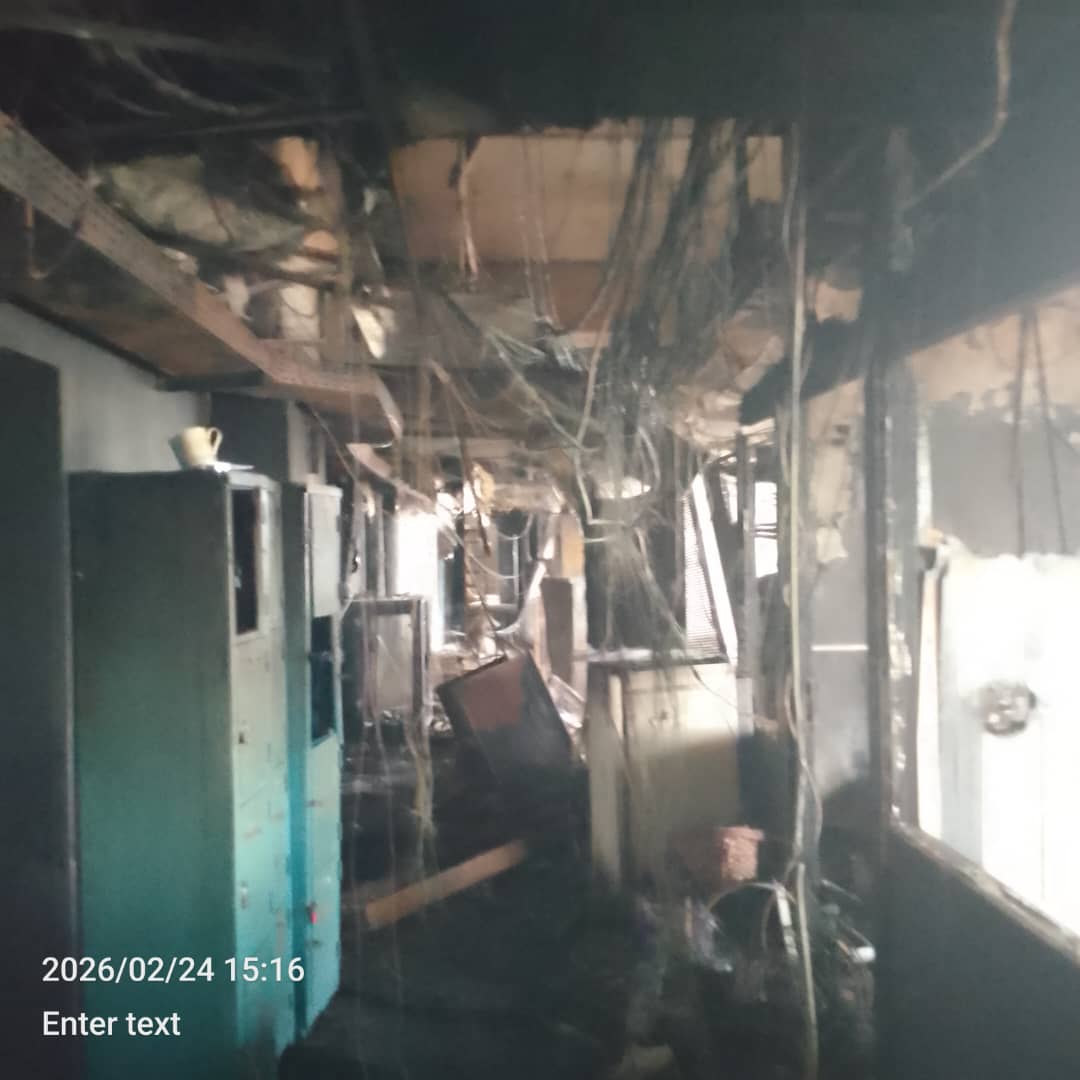
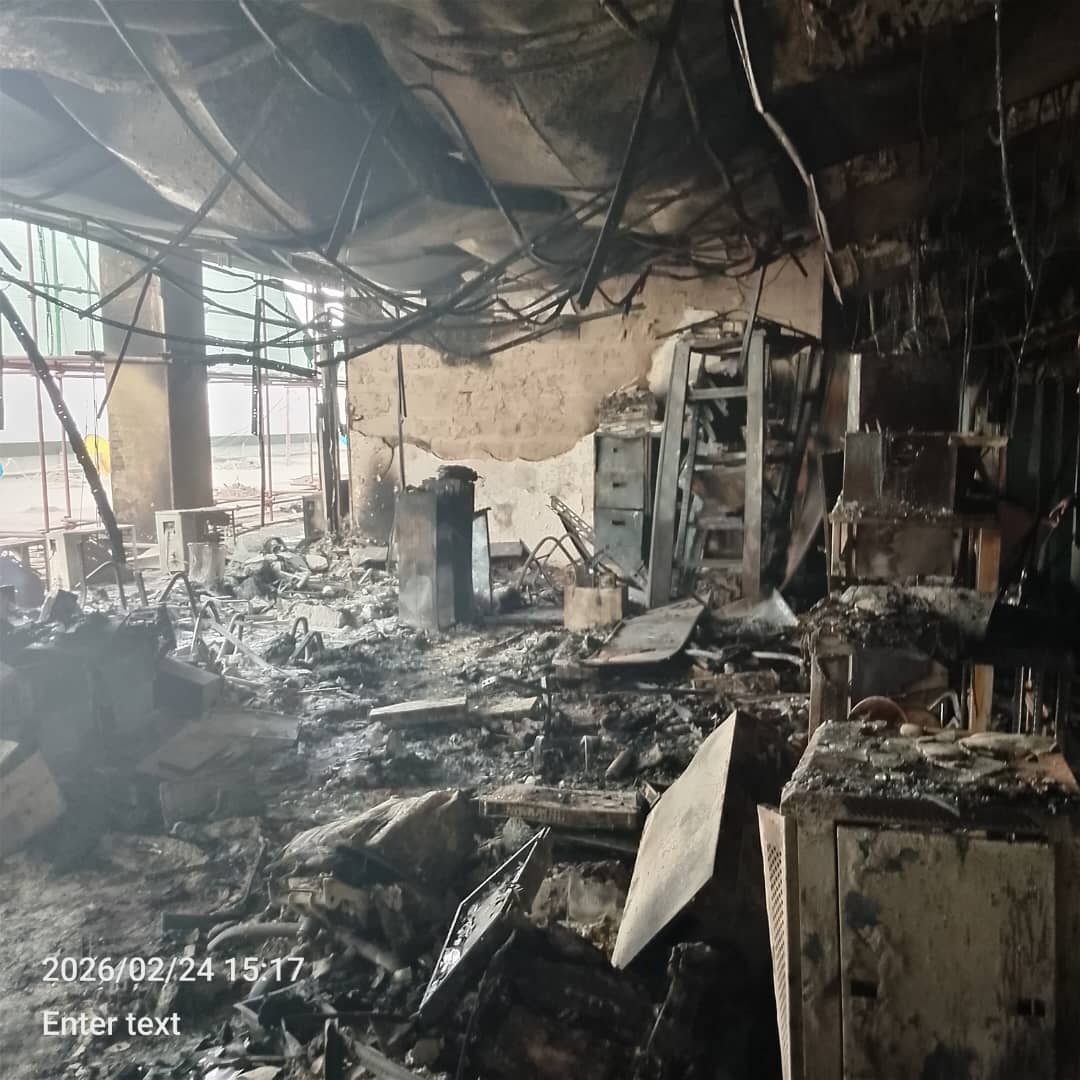
Nigeria’s aviation authorities are racing to stabilise flight operations after a destructive fire at the old terminal complex of the airport severely damaged vital air traffic communication infrastructure, officials confirmed on Tuesday.
The Managing Director of the Nigerian Airspace Management Agency (NAMA), Ahmed Umar Faroukh, disclosed during an inspection briefing that the blaze, which erupted on 23 February 2026, disrupted essential aerodrome, approach and air-ground communication systems, forcing authorities to suspend inbound flights temporarily at the height of the emergency.
According to him, the incident was reported while senior management officials were in a meeting, prompting an immediate deployment of technical and operations teams to the scene.
“What we saw was a huge loss as far as communication is concerned, and other air traffic services were really disrupted,” Faroukh said, noting that suspending arriving flights was necessary to protect passengers and crews.
The NAMA chief commended engineers and operational personnel who remained at their duty posts despite the danger, explaining that some staff members risked their lives to secure equipment and stabilise systems rather than evacuate.
Their swift action, he said, helped emergency responders contain the situation and prevented a worse aviation crisis. Officials confirmed that no lives were lost – a development aviation experts describe as remarkable given the scale of the infrastructure damage.
Although primary communication equipment was destroyed, emergency contingency systems have since been deployed from other locations to sustain flight operations. Faroukh explained that these backups are currently supporting air traffic control functions while engineers evaluate long-term repairs.
He assured passengers and airlines that safety remains uncompromised: “Air-to-ground communication will remain uninterrupted. Nigerian airspace is safe.”
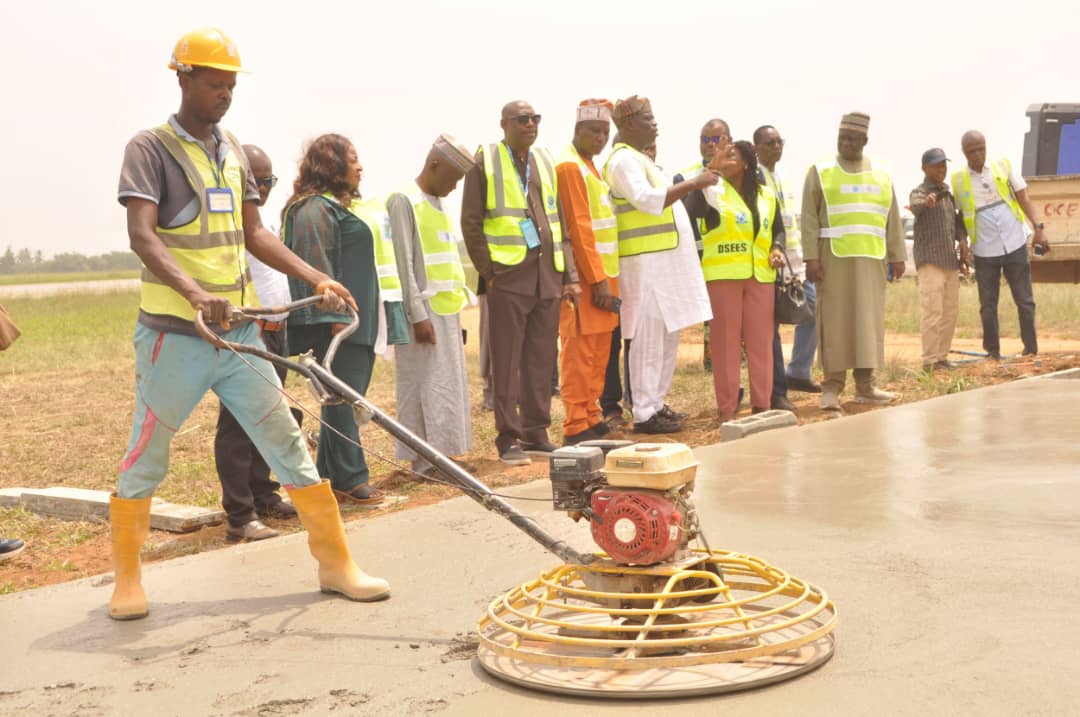
Authorities initially delayed installing a mobile control tower because the terrain required civil engineering reinforcement. A construction firm working at the site has now prepared the ground, enabling installation of the temporary tower within roughly 24 hours.
Officials say it is too early to quantify the monetary value of losses because assessments are ongoing. “It will take us a while to determine the magnitude,” Faroukh told journalists, stressing that technical evaluations must be completed before a figure can be released.
Industry analysts note that air navigation equipment – including radios, transmitters, antenna systems and control consoles – can cost millions of pounds to replace, especially when imported and customised for airport-specific operations.
Located in Lagos, the airport is Nigeria’s busiest aviation hub and one of West Africa’s most heavily trafficked gateways, handling international, regional and domestic flights daily. Any disruption to its communication systems can affect airline schedules nationwide because many flights connect through the facility.
The Federal Airports Authority of Nigeria (FAAN), responsible for managing airport infrastructure, is working alongside NAMA to coordinate recovery, safety verification and technical restoration.
Nigeria’s Minister of Aviation and Aerospace Development, Festus Keyamo, has repeatedly emphasised the importance of redundancy systems in aviation infrastructure.
Such safeguards are required under international regulations established by the International Civil Aviation Organization to ensure aircraft can continue operating safely even when primary systems fail.
Aviation specialists say the rapid deployment of backups demonstrates compliance with these global safety protocols.
Technical teams are now conducting structural and electronic diagnostics to determine which systems can be repaired and which must be replaced entirely. Authorities say the findings will guide reconstruction plans and budget approvals.
For now, aviation officials insist the situation is under control, stressing that flight safety has not been compromised and that temporary systems are functioning effectively.
Observers say the incident highlights the urgency of modernising ageing airport facilities nationwide, particularly communication infrastructure that forms the backbone of safe air navigation.
About The Author