
………Directs Airlines To Comply By January 2027
Nigeria’s aviation sector is set for another major digital transformation with the introduction of the Virtual Passenger Processing System, VPASS, a biometric-based passenger verification platform designed to modernise airport operations, strengthen security and make air travel more seamless.
The new system is expected to transform the way passengers are identified and processed at airports by leveraging digital technology and biometric data to facilitate identity verification and improve the efficiency of passenger movement.
Minister of Aviation and Aerospace Development, Festus Keyamo,at the official launch of the VPASS programme at the Murtala Muhammed Airport , today in lagos consequently directed all domestic airlines to integrate their operations into the platform on or before the end of December 2026.
Keyamo emphasised that the directive is mandatory, signalling the Federal Government’s determination to accelerate the adoption of digital solutions across the aviation industry.
The introduction of VPASS is also expected to improve coordination among aviation stakeholders, enhance the security of passenger data and support more efficient processing at the country’s domestic airports.
For passengers, the initiative promises a more technology-driven travel experience, with biometric identification expected to simplify verification and potentially reduce delays associated with conventional passenger processing.
The rollout forms part of broader efforts by the Federal Government to embrace innovation, improve operational efficiency and align Nigeria’s aviation sector with emerging global standards in digital passenger management.
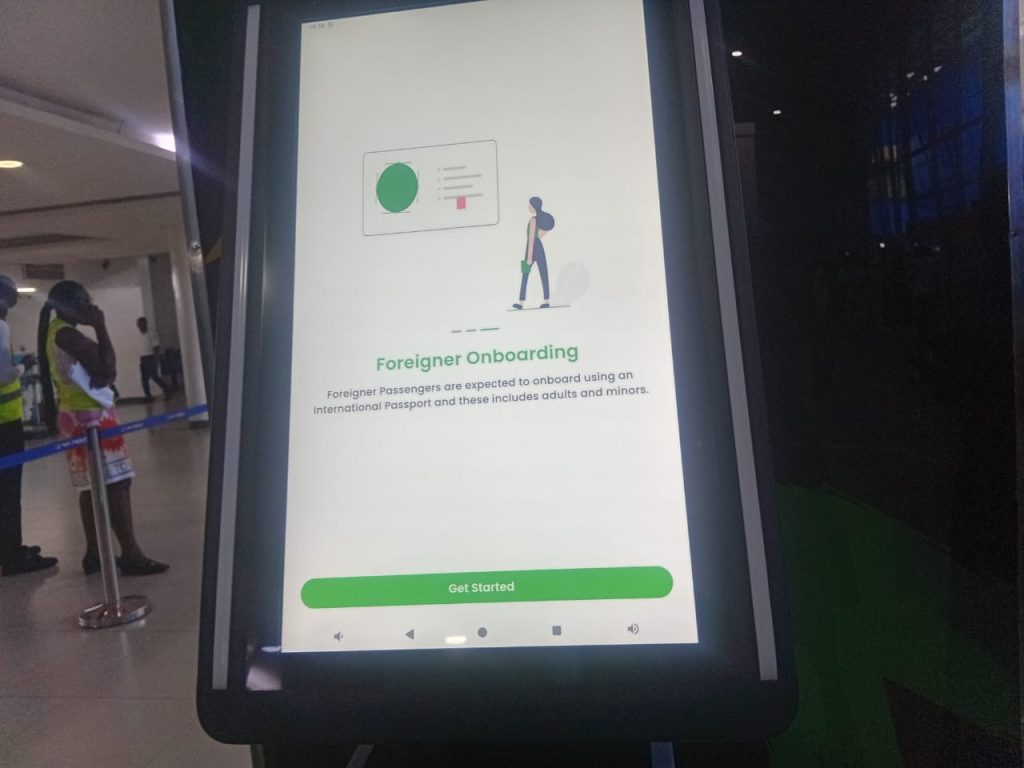
Under the VPASS arrangement, passengers are required to enrol on the platform by taking a digital photograph, providing their National Identification Number, NIN, and downloading the VPASS application from the Google Play Store to complete the registration process.
The platform is designed to provide a more reliable means of establishing passengers’ identities, reduce dependence on manual verification processes and strengthen the management of passenger information within the aviation ecosystem.
About The Author