

The Nigerian Civil Aviation Authority has launched a major digital transformation initiative aimed at modernising aviation personnel licensing and medical certification processes in Nigeria, as part of efforts to strengthen safety oversight, transparency and global regulatory compliance within the country’s aviation sector.
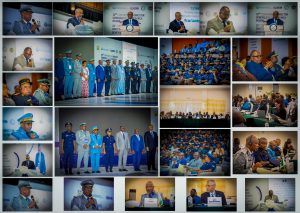
The initiative was unveiled during an aviation industry stakeholder engagement session held in Lagos on Tuesday, where the Director-General of Civil Aviation, Captain Chris Najomo, addressed representatives of airlines, approved training organisations, aviation medical examiners, industry associations and other stakeholders on the implementation of the EMPIC Personnel Licensing and Medical Certification platform.
Describing the project as a defining moment in the evolution of Nigeria’s aviation regulatory framework, the DGCA said the deployment of the digital system represented a significant step towards building a more intelligent, transparent and globally compliant aviation oversight structure.
According to him, the stakeholder engagement was organised to ensure that all relevant industry participants were fully prepared for the go-live phase of the project and understood the operational impact of the new digital environment.
He explained that the exercise was intended to foster industry-wide collaboration and shared ownership of the transformation initiative.
The DGCA noted that the aviation industry worldwide had become increasingly dependent on digital systems due to rising traffic volumes, expanding aviation workforces and growing international scrutiny.
He stated that traditional paper-based and fragmented regulatory systems were no longer sufficient to meet modern aviation safety and compliance requirements.
He explained that manual and semi-automated procedures often created inefficiencies in licence validation, audit traceability and data integrity, thereby limiting the ability of regulatory authorities to operate effectively in a rapidly evolving aviation environment.
The EMPIC Licensing and Medical Certification platform, he said, would address these challenges by establishing a robust digital ecosystem capable of supporting real-time verification, secure credential management and transparent regulatory processes.
He added that the system was designed to improve operational efficiency while reinforcing the integrity of aviation safety oversight in Nigeria.
The DGCA stressed that personnel licensing and medical certification remained central pillars of aviation safety and should not be treated merely as routine administrative procedures.
He noted that the new platform would ensure greater accountability and regulatory discipline across the industry.
He further revealed that NCAA’s digital transformation strategy had been structured into two broad categories focusing on persons and organisations.
While the current phase concentrated on aviation personnel licensing, future phases would extend to organisational approvals and technical certification functions.
The organisational oversight segment of the project, according to him, will cover Air Operator Certification, Approved Training Organisations, Approved Maintenance Organisations, aerodromes, air navigation service providers, meteorology services, dangerous goods oversight, operational specifications management and ramp inspections.
In addition, the technical certification component will handle aircraft registration, airworthiness certification, aircraft type certification validation, maintenance programme approvals and monitoring of airworthiness directives.
The DGCA highlighted several benefits expected from the platform for aviation stakeholders. He said licence holders would now have access to a transparent online application system for licence issuance, renewal and conversion, alongside real-time monitoring of application status and significantly reduced processing timelines.
He disclosed that the system would also provide biometric-backed credentials and QR-code verification technology to improve the authenticity and portability of aviation licences issued by the NCAA.
For authorised aviation medical examiners and medical centres, the platform is expected to simplify medical submission procedures and improve communication with aviation medical services through secure digital channels.
Airlines and operators will also benefit from instant licence verification capabilities intended to reduce the risks associated with invalid or expired credentials.
The DGCA said the authority itself would gain enhanced oversight capabilities through improved access to centralised data, stronger audit readiness, better analytics and improved workforce planning visibility.
He maintained that the technology was specifically designed to support safety and regulatory compliance rather than merely introducing automation for its own sake.
On data governance and integrity, he assured stakeholders that every transaction carried out within the platform would be digitally recorded and traceable.
According to him, all activities on the system would be time-stamped, role-tracked and audit logged, thereby ensuring transparency and accountability within the regulatory process.
He also announced that the platform had been integrated with the National Identity Management Commission framework through the National Identification Number system for Nigerian applicants, while passport verification would apply to foreign licence holders.
Emphasising the importance of stakeholder cooperation, the DGCA urged applicants, operators, inspectors and aviation medical examiners to comply fully with the new digital procedures and maintain strict data accuracy standards to ensure the success of the initiative.
He said the transformation programme aligned with global standards established by the International Civil Aviation Organization, particularly ICAO Annex 1 requirements relating to personnel licensing and aviation medical certification.
He added that the initiative would strengthen international confidence in Nigerian aviation credentials and improve the country’s standing within the global aviation community.
The DGCA concluded by commending the NCAA implementation team, led by Engr. Balang, alongside implementation partner CS2 and the project management team for their commitment and professionalism throughout the implementation process.
He encouraged all stakeholders to actively support the transition and prepare for full adoption of the new digital platform.
About The Author