
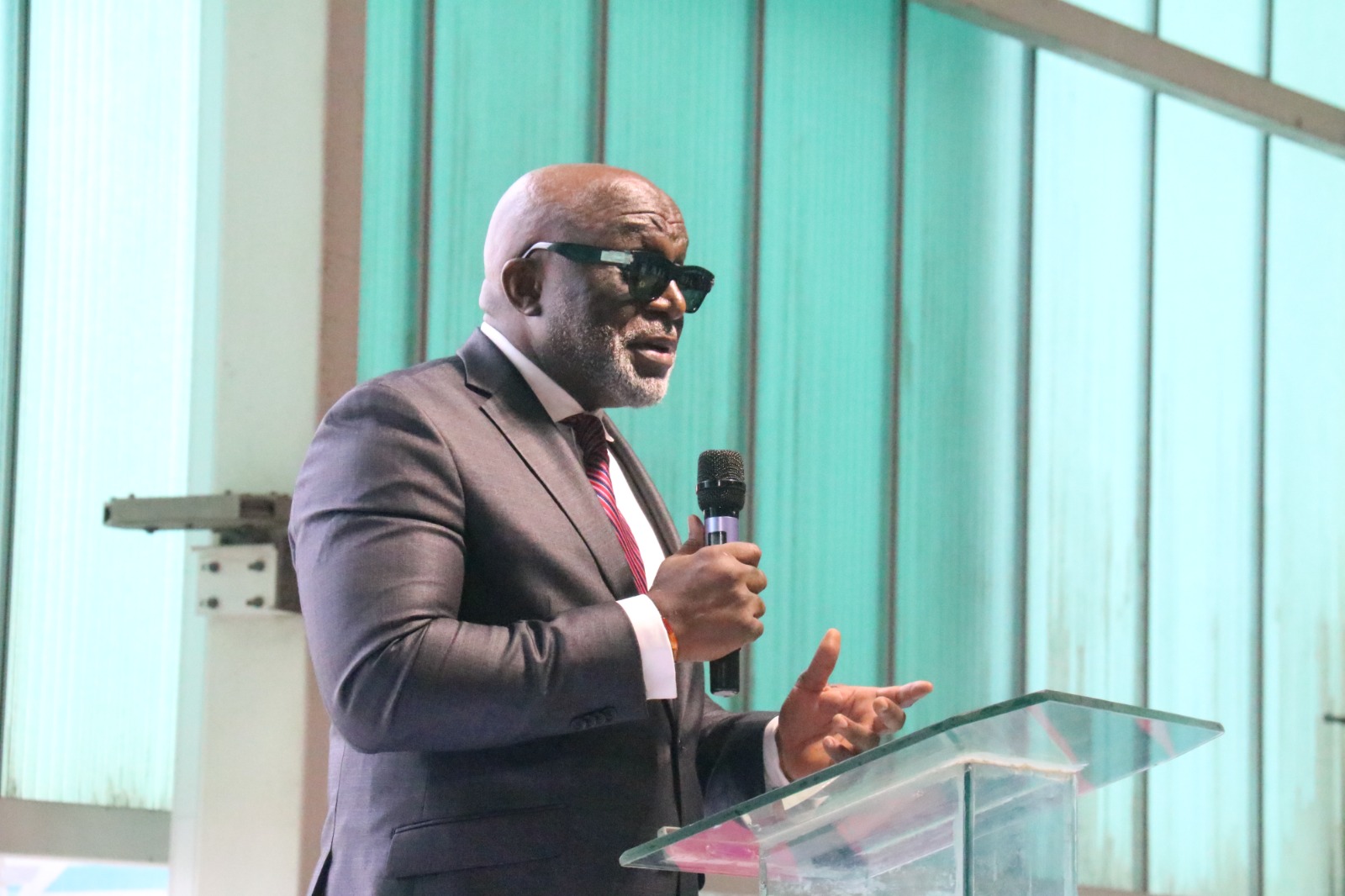
Chairman of United Nigeria Airlines, Obiora Okonkwo, has called on the Federal Government to reduce the high cost of doing business in Nigeria’s aviation sector, warning that continued deductions from the revenues of aviation agencies are hampering their ability to provide world-class facilities and services to operators.
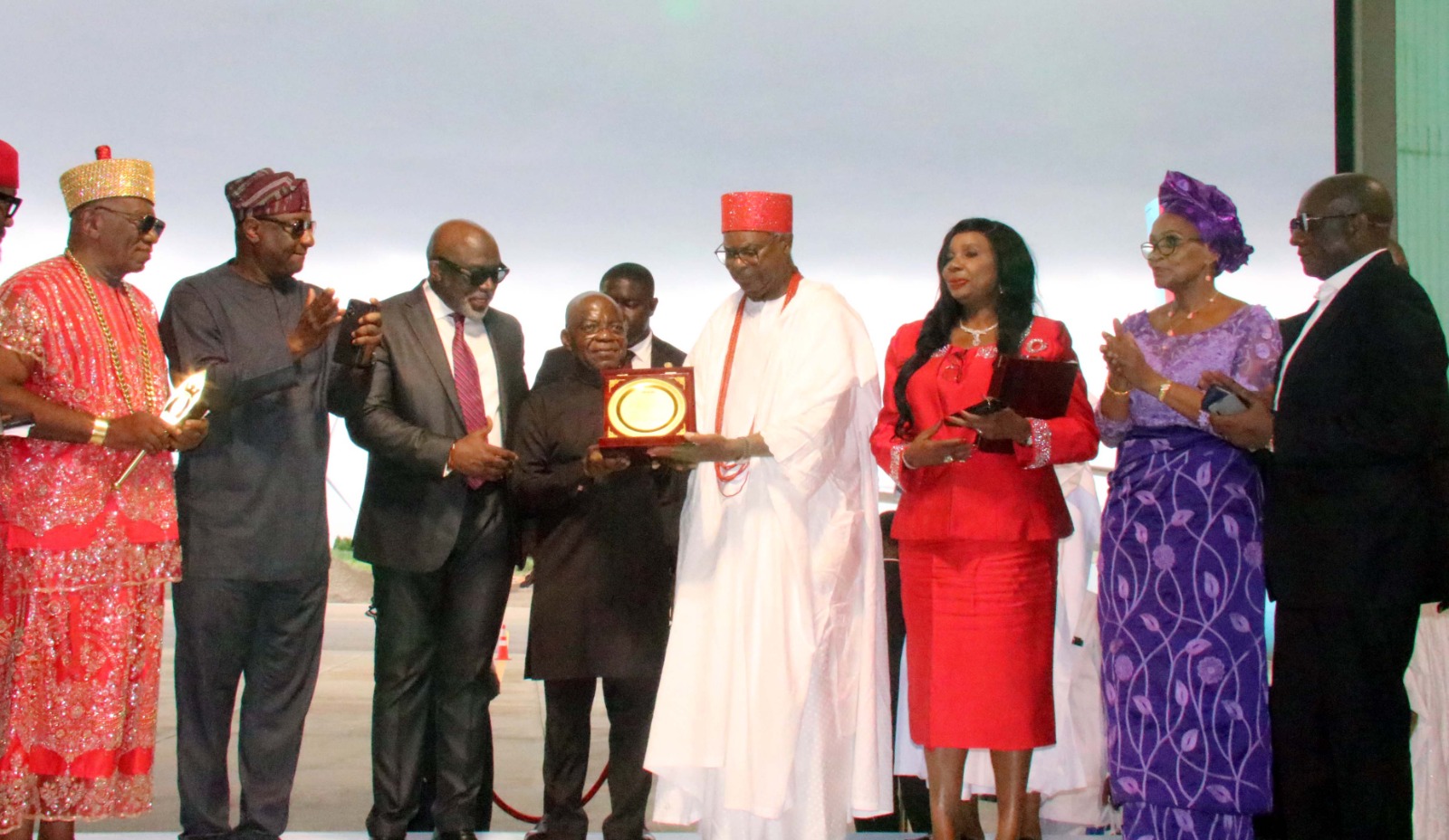
Okonkwo made the appeal on Thursday during the official unveiling of two Boeing 737-800 Next Generation aircraft acquired by United Nigeria Airlines and named in honour of the Obi of Onitsha, His Royal Majesty Igwe Nnaemeka Achebe, and renowned literary icon, Professor Chinua Achebe.
The ceremony was held at the airline’s hangar at the domestic wing of the Murtala Muhammed International Airport, Lagos.
The airline chairman said the concerns raised recently by the International Air Transport Association (IATA) regarding the high cost of airline operations in Nigeria accurately reflected the realities facing domestic carriers.
According to him, operating an airline in Nigeria is significantly more expensive than in many other countries within the region, and government intervention is necessary to ensure the sustainability of indigenous carriers.
“We all saw the report by IATA that the cost of airline operations in Nigeria is the highest compared to other countries in the region. What they said is the truth. Nigeria is an expensive place to operate an airline,” he said.
Okonkwo urged the government to revisit longstanding appeals from operators seeking lower charges and a review of the current revenue remittance arrangement affecting aviation agencies.
He explained that approximately 70 per cent of the revenues generated by agencies such as the Nigerian Civil Aviation Authority (NCAA) and the Federal Airports Authority of Nigeria (FAAN) are remitted into the Federation Account, leaving the agencies with inadequate resources to invest in infrastructure and regulatory oversight.
According to him, this arrangement runs contrary to the recommendations of the International Civil Aviation Organisation (ICAO), which advocates that revenues generated by aviation agencies should be reinvested in the sector.
“If the government continues taking a percentage of what FAAN generates, the agency will not be able to provide standard facilities. We want a situation where the money is left in the accounts of the regulators and service providers so that they can efficiently perform their functions and possibly reduce charges on operators,” he stated.
The businessman stressed that aviation remains a critical driver of the national economy, noting that virtually every sector, including the oil and gas industry, depends heavily on air transportation for efficient operations.
He argued that enhanced support for aviation would have a multiplier effect on economic growth and called for the provision of single-digit interest loans to airline operators to enable them modernise their fleets and expand operations.
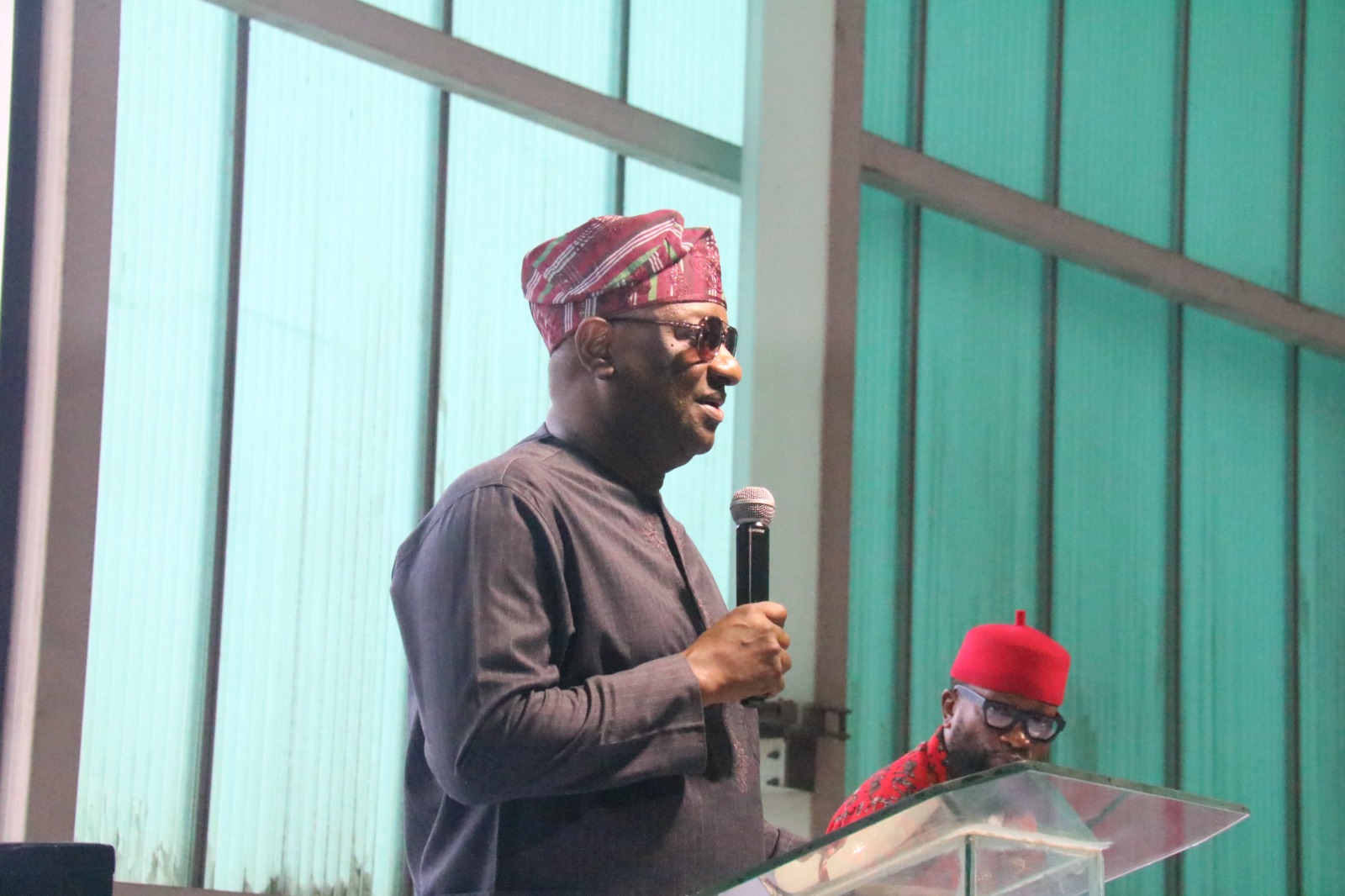
Also speaking at the event, the Minister of Aviation and Aerospace Development, Festus Keyamo, described the occasion as one of the happiest moments of his tenure, saying the acquisition of the aircraft reflected the positive impact of policies introduced by the administration of President Bola Tinubu.
Keyamo disclosed that when he assumed office in 2023, the aviation industry was engulfed in numerous legal disputes involving airlines, labour unions and the ministry itself.
According to him, one of his first actions was to persuade stakeholders to withdraw the various court cases and embrace dialogue, paving the way for a collaborative approach to addressing the sector’s challenges.
“We had several cases in court involving airlines and unions. I called all of them and asked them to withdraw the cases so that we could get our policy direction right,” he said.
The minister explained that his administration spent its early months consulting industry players extensively before introducing reforms designed to strengthen the sector.
He said supporting local airlines became one of the pillars of the ministry’s five-point agenda, with every policy subjected to the test of whether it would enhance the growth and competitiveness of indigenous carriers.
“Our focus was clear. Whatever policy we introduced, the first question was whether it would support local airlines. If it did not, we dropped it,” Keyamo stated.
He revealed that the ministry actively supported United Nigeria Airlines in its engagement with Boeing and international financiers, adding that Nigeria’s implementation of measures under the Cape Town Convention and the Deregistration and Export Request Authorisation (DERA) framework had improved investor confidence and facilitated aircraft financing.
The minister recalled leading Nigerian operators to the United States in 2024 to engage aircraft manufacturers and financiers, saying the government had gone as far as providing assurances regarding the credibility and viability of local carriers.
He also praised Air Peace Chairman, Dr Allen Onyema, for maintaining prudent financial practices, which he said had strengthened confidence among lenders and lessors.
According to him, the improved regulatory environment has encouraged Nigerian financial institutions including Fidelity Bank, Zenith Bank and the Bank of Industry to increase their participation in aviation financing.
“Before now, no bank wanted to touch aviation. Today, they are competing to finance the sector because they have confidence in what we are doing,” Keyamo said.
The minister reiterated that the Federal Government remained committed to supporting indigenous airlines rather than establishing a state-owned national carrier.
He argued that international experience had shown that governments were increasingly withdrawing from direct ownership of airlines in favour of privately managed carriers.
Citing examples such as Lufthansa and British Airways, Keyamo noted that many successful airlines around the world no longer operate under government bureaucracies.
“We are not confused about where we are going. We are clear about our policy direction. It is better and more profitable to support our flag carriers than to pour resources into a national airline that could become a bottomless pit,” he said.
The unveiling of the two Boeing 737-800NG aircraft marks another milestone in United Nigeria Airlines’ fleet expansion strategy and underscores growing confidence in Nigeria’s aviation industry amid efforts by the Federal Government to strengthen indigenous operators and enhance air transport connectivity across the country.
The event highlighted both the challenges confronting the sector and the increasing collaboration between government and private operators aimed at positioning Nigerian carriers for sustainable growth and greater competitiveness.
About The Author